
What should I do if animals are nesting in my chimney?
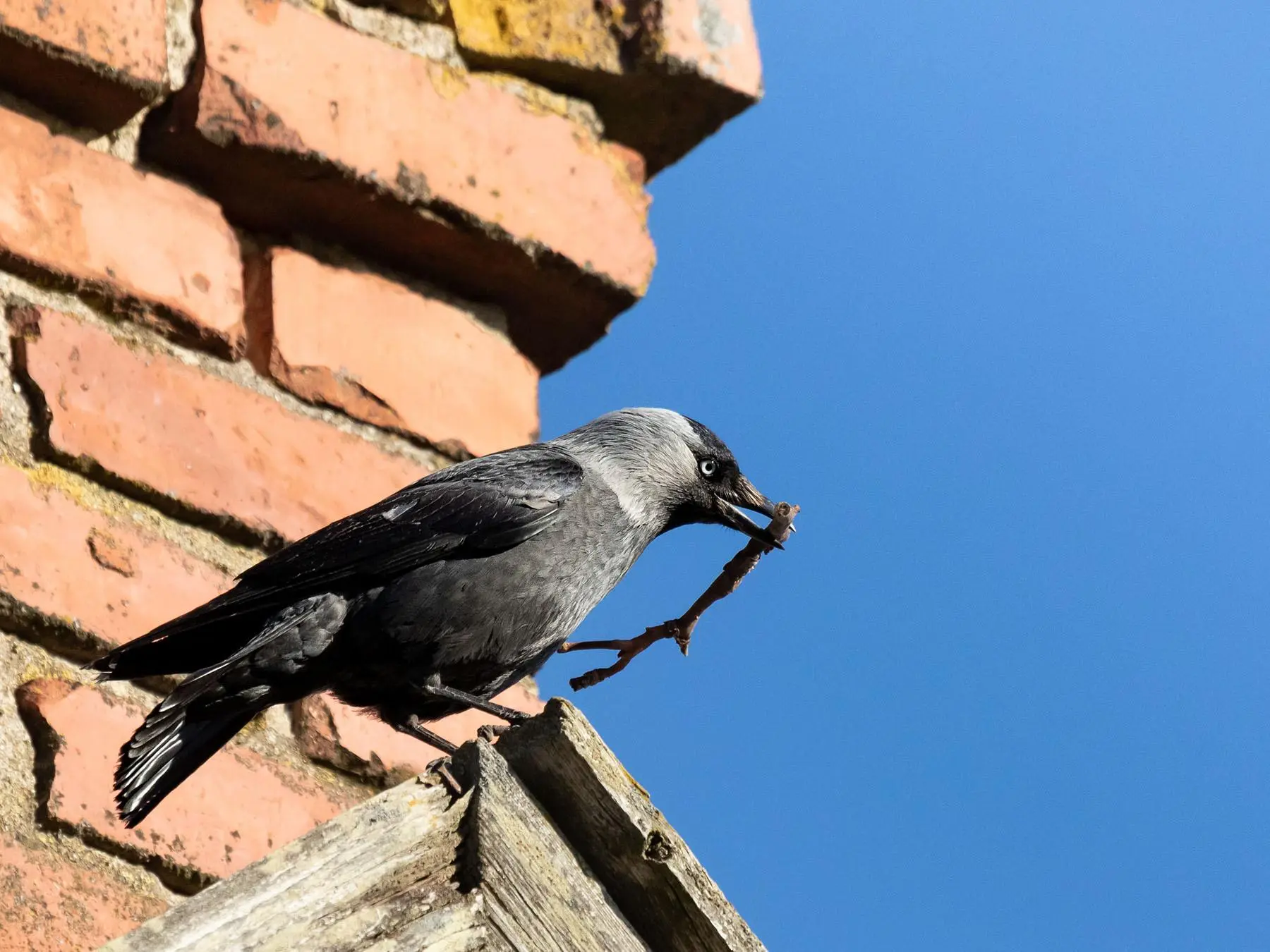
Birds, squirrels, raccoons, and bats can nest in a chimney, especially one without a cap. Signs include scratching, chirping, droppings or twigs in the firebox, a musty odor, and smoke that backs up into the room. Do not light a fire if you suspect animals inside. Nests block the flue and can cause smoke and carbon monoxide to enter the home. Call a professional for safe removal, then install a cap to prevent a repeat.
Key Takeaways
- An uncapped or damaged chimney is an inviting shelter for birds and other wildlife.
- Noises, droppings, debris, and odors are the most common early signs.
- Never light a fire when animals may be inside. Nests can block the flue and trap exhaust gases.
- Removal is best left to a professional, and some wild birds are legally protected.
- A properly fitted cap with a screen is the most direct way to keep animals out afterward.
Why Animals Move Into Chimneys
A chimney looks like a hollow tree to many animals. It is sheltered from rain and wind, it holds heat from the house below, and it is hard for predators to reach. In late fall and winter, when temperatures drop, that combination becomes even more attractive. Female raccoons and squirrels may also look for a protected den site in spring, so nesting problems are not strictly a winter issue.
Central Texas homes are no exception. Mild winters mean wildlife stays active, and chimneys that are used only a few times a year sit undisturbed for months. The Chimney Safety Institute of America notes that animals may build nests in the flue, and points to this as a reason even rarely used chimneys deserve an annual inspection.
The most common reason animals get in is a missing or damaged cap. The opening of an uncapped flue is easy to enter, and a cap with a mesh screen is the barrier that stops most of them. Damaged crowns, gaps near the flashing, and a chimney that connects to an attic space can also provide other entry points.
Signs There Is Something Living in Your Chimney
You may notice a problem before you see an animal. Listen and look for the signs below, ideally when the fireplace is cold.
| Sign | What it can indicate |
|---|---|
| Scratching, scrabbling or thumping in the flue | Squirrels, raccoons or rodents moving inside |
| Chirping or fluttering, especially in the morning | Birds or nestlings |
| Twigs, leaves, fur or feathers in the firebox | Nesting material has fallen or been pushed down |
| Droppings on the hearth or damper | Active or recent animal use |
| Musty, sour, or ammonia-like odor | Droppings, nesting material or a dead animal |
| Smoke or poor draft when a fire is lit | Flue partly or fully blocked |
If you recognize any of these, keep the fireplace unused. Our article on removing chimney odors at home can help you understand smell issues, and our guide to why a fireplace smokes inside the house explains how blockages show up in daily use.
Why Nests Are a Safety Problem, Not Just a Nuisance
A nest or pile of debris can narrow or completely block the flue. When that happens, smoke and combustion gases have nowhere to go but back into the house. Carbon monoxide is a particular concern, since it is colorless and odorless, and it can come from wood fires and from gas appliances that vent through a chimney. A working carbon monoxide alarm is an important safeguard, but it is no substitute for keeping the flue clear.
Nesting material is also flammable. Dry twigs, leaves, and fibers can ignite from sparks or from the heat of a fire lit below. The U.S. Fire Administration advises homeowners to have chimneys cleaned and inspected every year, and finding a nest is one of the reasons that advice matters.
Beyond fire and gas risks, animals can damage the flue liner, the damper, and the interior walls of the firebox. Droppings can also cause lingering odors. Dead animals that become trapped in the flue are another common source of smell, and they can be difficult to reach without proper tools.
What to Do If You Suspect Animals Inside
Move calmly and avoid improvising. Many well-meant home fixes make things worse, from smoking animals out to dropping objects down the flue.
- Do not light a fire. Heat and smoke can harm animals, and a blocked flue can send exhaust into the home.
- Close the damper if you can do so safely, to limit the chance of an animal coming into the room.
- Keep children and pets away from the fireplace area.
- Do not try to reach into the flue or poke it with tools.
- Make sure carbon monoxide alarms are working.
- Contact a professional for assessment and removal.
If an animal does get into the living space, open doors to the outside, keep pets and children out of the room, and avoid cornering it. Wild animals can bite and scratch when frightened, and some carry diseases, so avoid handling them directly.
Professional Removal and Cleanup
Removal involves more than taking the animals out. The chimney also needs to be cleared of nesting material and droppings, checked for damage and made safe to use again. A professional chimney nest and animal removal visit is designed for this work. Following removal, a chimney sweeping and cleaning visit can clear the remaining debris and soot, and an inspection confirms the flue is clear and undamaged.
It also helps to know that some wild birds are protected by law, which can limit when and how a nest may be removed. A professional can explain what applies in your situation and avoid problems you might not anticipate. If you find young animals, do not try to raise them yourself. Wildlife rehabilitators are the right contact for orphaned animals.
Hearing noises in the chimney? Green Home Services serves San Antonio and Austin. Request a free quote or call (210) 757-4531 to arrange an assessment.
How to Keep Animals Out Afterward
Removal solves today’s problem, and exclusion prevents the next one. The most effective measure is a chimney cap with a mesh screen that fits the flue properly and is securely attached. A cap also keeps rain out, which protects the flue and masonry. Our chimney caps and spark arrestors service covers installation, and our article on chimney cap installation benefits explains what a cap protects.
| Prevention step | What it does | How often |
|---|---|---|
| Install a cap with a mesh screen | Blocks entry at the top of the flue | Once, then check yearly |
| Inspect the cap and crown for damage | Finds gaps animals can use | At least once a year |
| Trim branches near the chimney | Reduces easy access from trees | Seasonally |
| Schedule a chimney inspection | Catches nests early, before the first fire | Once a year, before the cooler months |
Timing Your Check Around the Season
The best moment to look is before you plan to use the fireplace, not on the night you want a fire. A pre-season inspection finds nests while there is still time to remove them and replace a damaged cap. Our article on chimney inspection before winter explains what that visit covers.
Homes in San Antonio and Austin that sit near mature trees may see more wildlife activity, since branches give squirrels and birds easy access to the roof. A chimney that was fine last year can still have a new occupant, so each season deserves a fresh check.
Frequently Asked Questions
How do I know if an animal is in my chimney?
Common signs include scratching, thumping or chirping sounds, twigs or feathers in the firebox, droppings on the hearth, a musty or sour smell and smoke that backs up when you light a fire. If you notice any of these, avoid using the fireplace and have a professional assess the flue.
Can I light a fire to drive animals out?
No. Lighting a fire can harm the animals, and a nest blocking the flue can push smoke and carbon monoxide into your home. Nesting material can also ignite. Keep the fireplace unused until a professional has inspected it and removed any animals or debris safely.
Is a chimney cap really necessary?
A cap is the most direct way to keep animals and rain out of the flue. Without one, the opening is exposed to wildlife, leaves, and water. Caps with mesh screens also help catch sparks. If your cap is missing, bent or rusted, replacing it is a worthwhile repair.
Is it safe to remove a nest myself?
We recommend against it. Reaching into a flue can mean climbing onto a roof, handling wild animals or breathing in droppings and debris. Some birds are legally protected, and a nest that seems empty may still be active. A professional can remove nests safely and check the chimney afterward.
What if I hear baby animals in the chimney?
Keep the fireplace off and avoid disturbing the area. Young animals depend on their mother, who will often move them once they are mobile. Because rules and timing vary, contact a professional or a local wildlife rehabilitator for advice before attempting any removal from the chimney.
Book a Chimney Check Before the First Fire
If you have heard noises, found debris, or simply want to be sure your chimney is clear, contact us. We help homeowners across San Antonio and Austin with nest and animal removal, cleaning, inspections, and caps, so the fireplace is safe to use when you want it.

Green Home Services is a trusted provider of air duct, dryer vent and chimney cleaning across San Antonio and Austin, Texas.