
What factors affect the cost of chimney cleaning?
Chimney cleaning cost depends on the chimney's height and accessibility, the amount of creosote or soot buildup, whether it's a wood-burning, gas, or multi-flue system, and whether an inspection reveals additional issues like cracks, blockages, or animal nests that require extra work. Homes with steep or hard-to-reach rooflines, or chimneys that haven't been serviced in years, typically cost more to clean. Getting an on-site quote gives the most accurate price. Green Home Services provides transparent chimney cleaning pricing across San Antonio and Austin.
Chimney cleaning might seem as simple as sweeping out some soot, but the price on your bill is anything but predictable. Some Texas homeowners are stunned to find that coastal and humid regions may need more frequent inspections, which makes costs spike higher than expected. And cleaning is actually just the beginning, because the real surprise comes when you discover that creosote buildup, chimney complexity, and even your zip code can flip the cost faster than you think.
Table of Contents
- What Are The Key Components Affecting Chimney Cleaning Costs?
- Why Regular Chimney Cleaning Is Important For Home Safety?
- How Location Influences Chimney Cleaning Prices In Texas
- What Role Do Chimney Conditions Play In Pricing?
- Understanding Different Cleaning Methods And Their Costs
Quick Summary
| Takeaway | Explanation |
|---|---|
| Chimney type affects cleaning costs | Complex chimneys require specialized skills and tools, leading to higher service fees. |
| Creosote buildup increases expenses | The severity of creosote accumulation determines the cleaning method, impacting labor and time costs. |
| Regular cleaning promotes safety | Consistent maintenance reduces fire hazards and carbon monoxide risks, protecting family health. |
| Location influences service pricing | Urban areas tend to have higher rates due to operational costs and demand for skilled services. |
| Inspection can prevent larger repairs | Proactively addressing minor issues through regular inspections can save money on future major repairs. |
What Are the Key Components Affecting Chimney Cleaning Costs?
Understanding chimney cleaning cost factors involves examining multiple interconnected variables that determine the overall expense of maintaining your home’s chimney system. While homeowners might initially view chimney cleaning as a straightforward service, several nuanced elements significantly impact pricing.
To help homeowners understand the factors that influence the cost of chimney cleaning, the following table summarizes the major components discussed in this section and their impact on pricing.
| Cost Factor | Description | Impact on Price |
|---|---|---|
| Chimney Type & Complexity | Architectural design, number of flues, unique features, height, material, age | Higher complexity = higher |
| Creosote Buildup & Maintenance | Amount and type of creosote; regular or infrequent cleaning history | More buildup = higher |
| Additional Services | Inspections, repairs, waterproofing, structural assessments | Added services increase total |
| Accessibility | Ease of technician access, roof pitch, chimney height | Difficult access = higher |
| Location/Region | Urban vs rural, climate, local competition, coastal/humid factors | Urban/humid = higher |
Chimney Type and Construction Complexity
The architectural design and construction of your chimney play a critical role in determining cleaning costs. Chimneys constructed with intricate masonry, multiple flues, or unique architectural features require more specialized equipment and expertise. According to North Carolina State University’s Industry Expansion Solutions, complex chimney systems demand more time and technical skill, which directly translates to higher service fees.
Key factors influencing complexity include:
- Total number of flues
- Chimney height and accessibility
- Material composition (brick, stone, metal)
- Age and historical construction techniques
Creosote Buildup and Maintenance History
Creosote accumulation represents another significant cost determinant in chimney cleaning. This highly flammable substance develops from wood burning and can create substantial challenges during cleaning. The volume and hardness of creosote deposits directly impact the labor intensity and specialized techniques required.
Homeowners with consistent maintenance typically experience lower cleaning costs, while those with prolonged neglect might require more extensive and expensive cleaning procedures. Read more about chimney maintenance best practices.
Additional Service Considerations
Beyond basic cleaning, several supplementary services can influence overall chimney maintenance expenses. Professional chimney technicians might recommend additional interventions such as:
- Comprehensive safety inspections
- Minor repair work
- Structural assessments
- Waterproofing treatments
Each of these supplementary services adds complexity and cost to the standard cleaning process. Proactive homeowners who invest in regular maintenance can often mitigate more expensive future repairs by addressing potential issues early.
Why Regular Chimney Cleaning is Important for Home Safety?
Regular chimney cleaning transcends routine maintenance and represents a critical strategy for protecting your home and family from potentially catastrophic risks. Understanding the comprehensive safety implications of consistent chimney care can prevent dangerous scenarios that might otherwise go unnoticed.
Fire Prevention and Risk Mitigation
Chimneys accumulate a dangerous substance called creosote, a highly flammable tar-like residue produced from burning wood. According to the U.S. Environmental Protection Agency, this buildup can create significant fire hazards if not professionally managed. Creosote deposits can ignite unexpectedly, causing chimney fires that potentially spread throughout your home.
Key fire prevention considerations include:
- Monitoring creosote thickness and consistency
- Understanding different creosote stages
- Recognizing warning signs of excessive buildup
- Implementing annual professional inspections
Carbon Monoxide and Indoor Air Quality
A neglected chimney can become a silent threat to your household’s respiratory health. Blockages, cracks, or improper ventilation can cause carbon monoxide to leak into living spaces. Learn more about chimney safety protocols, which emphasize the importance of maintaining clear, unobstructed chimney pathways.
Blocked chimneys can prevent toxic gases from properly exiting your home, creating potentially life-threatening conditions. Professional cleaning ensures that ventilation systems remain uncompromised, protecting your family from invisible yet dangerous atmospheric contamination.
Structural Integrity and Long Term Home Maintenance
Beyond immediate safety concerns, regular chimney cleaning preserves your home’s structural components. Moisture, debris, and chemical interactions can gradually deteriorate chimney linings, masonry, and surrounding architectural elements. Consistent professional maintenance helps identify and address potential structural vulnerabilities before they escalate into expensive repair projects.
Homeowners who prioritize regular chimney inspections and cleanings invest in both immediate safety and long term property preservation. By addressing minor issues proactively, you can avoid potentially catastrophic structural failures and maintain your home’s overall integrity.
How Location Influences Chimney Cleaning Prices in Texas
Chimney cleaning prices in Texas are not uniform across the state, with various geographical and regional factors significantly impacting service costs. Understanding these location-based variables helps homeowners anticipate and budget for professional chimney maintenance more effectively.
Urban vs Rural Price Dynamics
Texas presents a diverse landscape where chimney cleaning prices fluctuate dramatically between urban and rural areas. Metropolitan regions like Austin, Houston, and Dallas typically experience higher service rates due to increased operational expenses. According to the Environmental Literacy Council, urban areas consistently demonstrate elevated labor costs that directly translate to more expensive maintenance services.
Key urban pricing factors include:
- Higher technician wages
- Increased transportation costs
- More complex regulatory compliance
- Greater demand for specialized services
Regional Climate and Chimney Complexity
Texas’s varied climate zones create unique challenges for chimney maintenance. Regions experiencing more frequent wood burning seasons, such as the northern and central parts of the state, might require more intensive cleaning procedures. Explore specialized chimney maintenance strategies for Texas homeowners.
Homeowners in areas with higher humidity or more frequent temperature fluctuations may face additional maintenance requirements. Coastal and humid regions often necessitate more frequent inspections due to accelerated material degradation and potential moisture-related complications.
Accessibility and Local Market Competition
Chimney cleaning prices are also influenced by local market dynamics and property accessibility. Remote locations might incur additional travel fees, while densely populated areas benefit from increased service provider competition. Factors such as chimney height, roof pitch, and home architecture can significantly impact pricing structures.
Texas homeowners should consider that professional chimney cleaning is not just an expense but an investment in home safety. By understanding these location-specific variables, residents can make more informed decisions about maintaining their chimney systems and protecting their property.
What Role Do Chimney Conditions Play in Pricing?
Chimney conditions represent a critical determinant in establishing professional cleaning service costs. Understanding the intricate relationship between chimney state and pricing helps homeowners anticipate potential expenses and recognize the complexity of thorough maintenance.
Creosote Accumulation and Complexity Levels
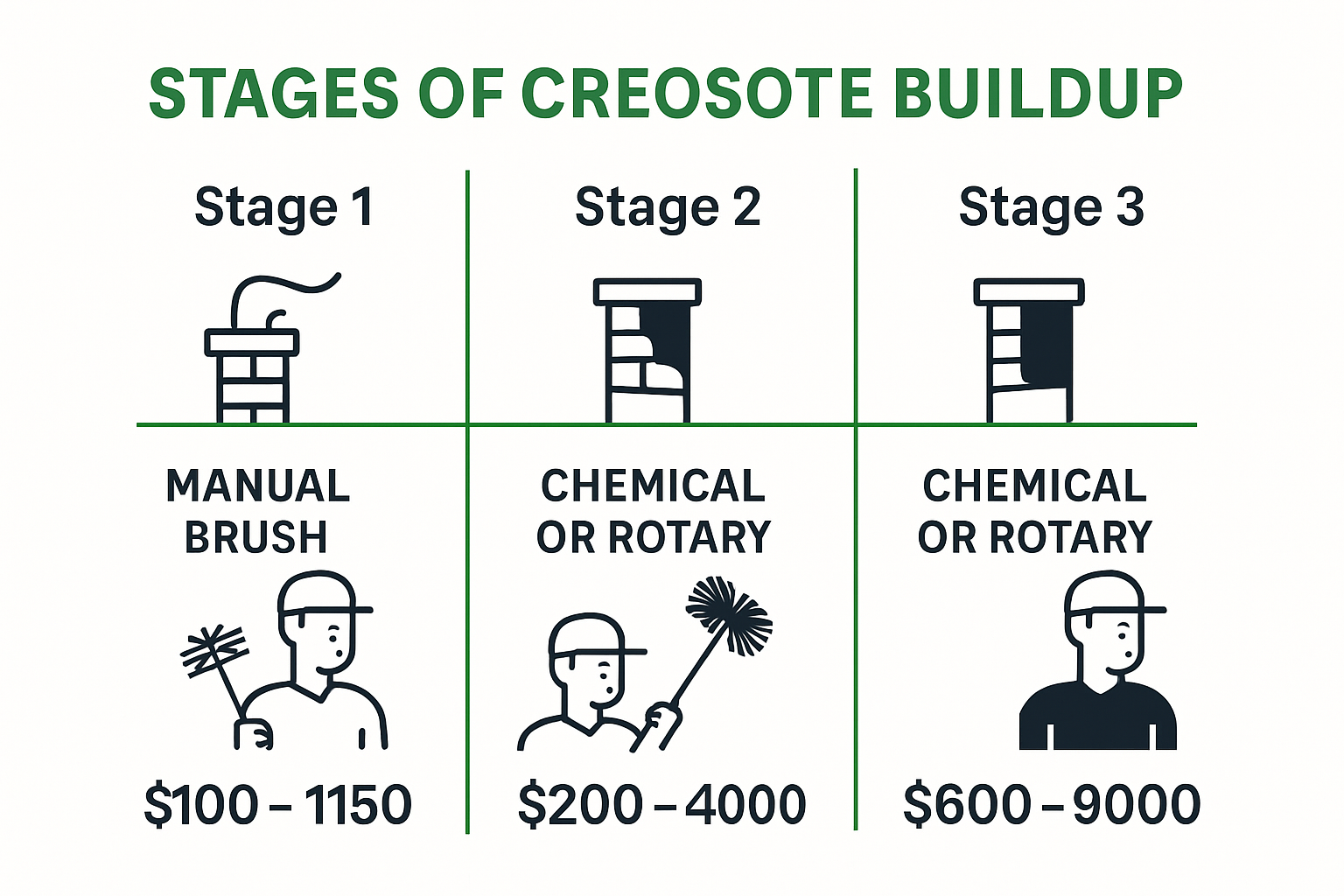
Creosote buildup represents the primary factor influencing chimney cleaning pricing. According to the Environmental Literacy Council, different stages of creosote accumulation require varying levels of technical intervention and specialized equipment.
Creosote complexity levels include:
- First stage: Light, powdery residue easily removed
- Second stage: Sticky, tar-like substance requiring more intensive cleaning
- Third stage: Hardened, glazed deposits demanding specialized removal techniques
The more advanced the creosote stage, the higher the associated cleaning costs, as technicians must employ more labor-intensive and time-consuming removal methods.
Structural Condition and Potential Repair Requirements
Beyond creosote accumulation, the overall structural condition of the chimney significantly impacts pricing. Chimneys with existing damage, deterioration, or potential safety hazards require more comprehensive assessments and potentially additional repair work. Learn about comprehensive chimney maintenance strategies.
Homeowners should anticipate potential price increases when chimneys exhibit signs such as:
- Visible cracks in masonry
- Deteriorating mortar joints
- Evidence of water damage
- Structural misalignment
Age and Material Complexity
The age and construction materials of a chimney directly influence cleaning complexity and subsequent pricing. Older chimneys or those constructed with intricate materials like historical brickwork or specialized stone require more delicate and time-consuming cleaning approaches.
Professional technicians must carefully evaluate each chimney’s unique characteristics, balancing thorough cleaning with preservation of structural integrity. The more complex the chimney’s composition, the more specialized the service required, ultimately reflecting in the overall pricing structure.

Understanding Different Cleaning Methods and Their Costs
Chimney cleaning involves multiple specialized techniques, each designed to address specific levels of buildup and chimney conditions. Understanding these methods helps homeowners make informed decisions about maintaining their chimney systems and managing associated expenses.
Chimney cleaning methods vary in technique and cost, depending on the severity of the buildup and the condition of your chimney. The table below compares these main cleaning methods based on their characteristics and typical use cases.
| Cleaning Method | Description | Best For | Cost Implication |
|---|---|---|---|
| Manual Brushing & Rod | Traditional tools manually scrape creosote | Light to moderate creosote | Most affordable |
| Chemical Interventions | Specialized chemicals dissolve stubborn creosote | Sticky or hardened buildup | Moderate to high |
| Mechanical (Rotary, Pneumatic) | Powered brushes/rotary tools dislodge tough deposits | Advanced/glazed creosote | Higher |
| Comprehensive Cleaning & Inspection | Combines methods plus detailed inspection and minor repairs | Complicated/older chimneys | Highest |
Manual Brushing and Rod Techniques
Traditional manual cleaning remains the most fundamental approach for chimney maintenance. According to the Environmental Literacy Council, this method involves using specialized brushes and flexible rods to manually scrape and remove creosote deposits from chimney walls.
Key characteristics of manual cleaning include:
- Most economical cleaning method
- Suitable for light to moderate creosote accumulation
- Requires significant technician skill and precision
- Works best with earlier stage creosote deposits
Advanced Chemical and Mechanical Interventions
More complex chimney conditions demand sophisticated cleaning technologies. Explore advanced chimney maintenance strategies that go beyond traditional approaches. Chemical treatments and rotary cleaning systems provide more intensive solutions for stubborn creosote buildup.
Mechanical cleaning techniques represent a higher-cost intervention involving specialized equipment like:
- Rotary whip systems
- High powered vacuum cleaning
- Pneumatic cleaning tools
- Advanced chemical dissolution treatments
Comprehensive Inspection and Specialized Cleaning
Professional chimney technicians often combine multiple methods to ensure thorough cleaning and assessment. The most comprehensive services integrate visual inspections, mechanical cleaning, and potential minor repairs into a holistic maintenance approach.
Homeowners should recognize that cleaning costs escalate with the complexity of required interventions. A simple brushing might cost significantly less than a comprehensive cleaning involving multiple technologies and potential structural assessments. The key is selecting a method that matches the specific condition of your chimney while balancing effectiveness and economic considerations.
Take Control of Your Chimney Cleaning Costs and Home Safety
Are you worried about creosote buildup, hidden repair expenses, or unpredictable chimney cleaning costs? Many homeowners find themselves stressed by the uncertainty surrounding chimney maintenance and safety risks mentioned in this article. Ignoring routine cleaning can allow dangerous creosote to accumulate, put your family’s safety in jeopardy, and even lead to expensive structural damage over time. Protecting your home begins with a trusted professional who understands all the variables outlined here – from chimney type to regional challenges in San Antonio and Austin.

Choose confidence and peace of mind with the experts at Green Home Duct Cleaning. Our professional team can help you avoid the hidden dangers of neglected chimneys by offering thorough, eco-friendly services that address tough buildup, improve air quality, and extend the life of your chimney system. Ready to make a smart move for your home? Visit our website today for a clear, honest quote and discover what exceptional local service truly means.
Frequently Asked Questions
What factors impact the cost of chimney cleaning?
Understanding chimney cleaning costs involves various factors such as the type of chimney, complexity of construction, creosote buildup, maintenance history, and any additional services required.
Why is regular chimney cleaning important for home safety?
Regular chimney cleaning prevents fire hazards caused by creosote buildup, ensures proper ventilation to avoid carbon monoxide leaks, and maintains the structural integrity of the chimney and home.
How does location influence chimney cleaning prices in Texas?
Chimney cleaning prices vary in Texas due to urban versus rural pricing dynamics, regional climate conditions affecting maintenance frequency, and local market competition among service providers.
What cleaning methods are used for chimney maintenance?
Common chimney cleaning methods include manual brushing, advanced chemical and mechanical interventions, and comprehensive inspection techniques to address specific levels of creosote buildup and overall chimney conditions.
Recommended
- Chimney Cleaning for New Homeowners in Texas: 2025 Guide – Green Home Services
- Chimney Cleaning Basics for Texas Homeowners 2025 – Green Home Services
- Top Chimney Cleaning Mistakes Texas Homeowners Make 2025 – Green Home Services
- How to Clean Chimney: Easy Guide for Texas Homeowners – Green Home Services
- What Affects Carpet Cleaning Prices in 2025: Key Factors for Yarra Valley Residents – Yarra Valley Carpet Cleaning
- Top Shutter Fitting Cost Factors for UK Homes 2025 | Shutter World

Green Home Services is a trusted provider of air duct, dryer vent and chimney cleaning across San Antonio and Austin, Texas.