
Why is clean indoor air important for a home?
Clean indoor air is important because indoor pollutant levels can be two to five times higher than outdoors, and people spend roughly 90% of their time indoors breathing dust, allergens, VOCs, and mold spores that accumulate without proper ventilation and filtration. Poor indoor air quality worsens asthma, allergies, and respiratory illness, and can affect sleep and concentration over time. Regular HVAC maintenance and duct cleaning directly improve what a household breathes daily. Green Home Services helps San Antonio and Austin families maintain healthier indoor air.
Indoor air can feel fresh and harmless, but research shows we spend about 90 percent of our lives inside and that creates a hidden risk you probably never consider. Most homes have more pollutants indoors than outside, including dust, allergens, and invisible chemicals. The interesting part is that just managing a few simple sources can make a dramatic difference in your daily comfort and even your long-term health.
Table of Contents
- What Is Clean Indoor Air And Its Features?
- Why Clean Indoor Air Matters For Your Health
- How Indoor Air Quality Impacts Your Living Space
- Key Factors Influencing Indoor Air Quality
- Practical Steps To Maintain Clean Indoor Air
Quick Summary
| Takeaway | Explanation |
|---|---|
| Clean indoor air is crucial for health. | Maintaining clean indoor air helps prevent respiratory issues and long-term health complications. |
| Identify and reduce pollution sources. | Controlling pollutants at their origin, such as using low-emission materials, is key to improving air quality. |
| Ensure proper ventilation systems. | Effective ventilation dilutes indoor pollutants, ensuring a continuous flow of fresh air. |
| Monitor humidity and allergens. | Keeping humidity balanced reduces mold growth and helps manage allergens like pet dander. |
| Implement cleaning and maintenance routines. | Regular cleaning and air duct inspections can significantly enhance indoor air quality over time. |
What is Clean Indoor Air and its Features?
Clean indoor air represents an environment free from harmful pollutants, allergens, and contaminants that can negatively impact human health. Understanding the importance of clean indoor air goes beyond simple comfort it directly relates to maintaining optimal respiratory health and overall well-being.
Defining Clean Indoor Air Quality
Clean indoor air is characterized by specific qualities that ensure a safe and healthy breathing environment. According to the EPA, indoor air quality involves controlling common pollutants to reduce potential health risks. This means maintaining an atmosphere with minimal particulate matter, chemical emissions, biological contaminants, and other potentially harmful substances.
Key characteristics of clean indoor air include:
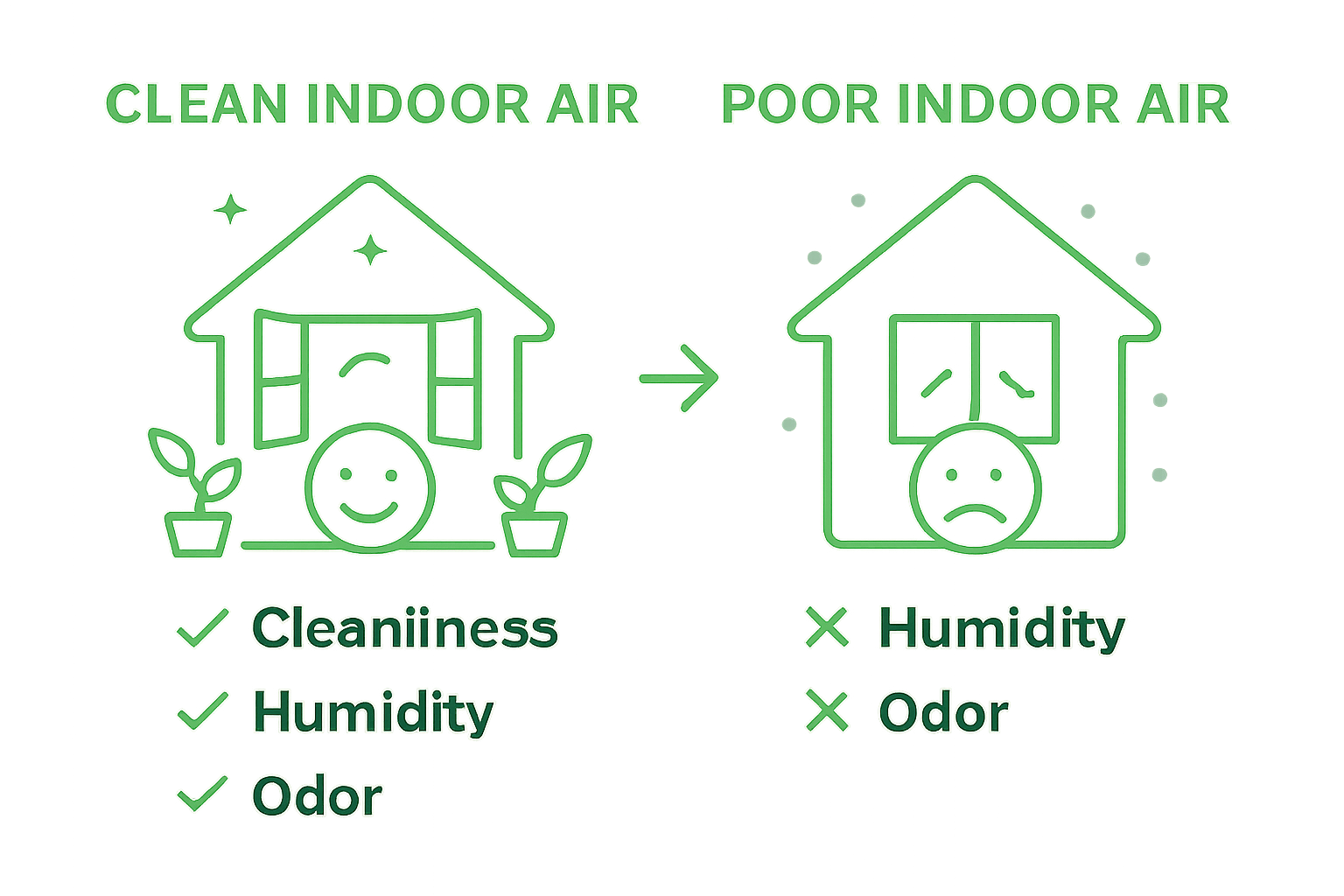
- Absence of visible dust and debris
- Low levels of airborne particles
- Minimal presence of volatile organic compounds (VOCs)
- Balanced humidity levels
- No musty or unusual odors
Sources of Indoor Air Contamination
Multiple sources can compromise indoor air quality. Common contributors include:
- Pet dander and hair
- Outdoor pollution entering through windows
- Mold and mildew growth
- Chemical emissions from furniture and building materials
- Cooking and cleaning product residues
Homeowners can learn more about addressing these challenges with our comprehensive guide on air quality in San Antonio, which provides detailed insights into maintaining a healthy indoor environment.
Understanding clean indoor air requires recognizing its complex nature and the various factors that influence its quality.
Below is a table summarizing key characteristics of clean indoor air as described in the article for quick reference.
| Characteristic | Description |
|---|---|
| Absence of visible dust and debris | No noticeable particles or buildup on surfaces or in the air |
| Low levels of airborne particles | Minimal fine dust, pollen, or other particles suspended in the air |
| Minimal volatile organic compounds | Reduced amount of chemical emissions from products and furnishings |
| Balanced humidity levels | Moisture kept within healthy limits, preventing mold and dryness |
| No musty or unusual odors | Air smells fresh, indicating absence of mold, chemicals, or lingering pollutants |
This table organizes common sources of indoor air contamination featured in the article, along with their typical origins within the home environment.
| Source of Contamination | Typical Origin or Contributor |
|---|---|
| Pet dander and hair | Household pets |
| Outdoor pollution | Windows, doors, and ventilation; urban areas |
| Mold and mildew | Damp areas, bathrooms, basements |
| Chemical emissions | Furniture, building materials, paint |
| Cooking and cleaning residues | Kitchens, use of cleaning products |
Why Clean Indoor Air Matters for Your Health
Maintaining clean indoor air is far more than a comfort issue it represents a critical component of protecting personal health and preventing potential long-term medical complications. The quality of air we breathe indoors directly impacts our respiratory system, immune function, and overall wellness.
Health Risks of Poor Indoor Air Quality
According to research from the National Institutes of Health, prolonged exposure to contaminated indoor air can lead to significant health challenges. Poor air quality is linked to numerous medical conditions that can develop gradually or emerge suddenly.
Potential health consequences of poor indoor air quality include:
- Respiratory infections and chronic lung diseases
- Increased risk of cardiovascular problems
- Weakened immune system response
- Neurological complications and cognitive impairment
- Elevated allergy and asthma symptoms
Long-Term Physiological Impacts
Chronic exposure to indoor air pollutants can trigger complex physiological responses. Microscopic particles and chemical compounds can penetrate deep into lung tissues, causing inflammation and potentially permanent cellular damage. This ongoing exposure may contribute to systemic health issues that extend beyond immediate respiratory concerns.
Homeowners seeking comprehensive strategies for maintaining healthy indoor environments can explore our spring cleaning air ducts guide for professional insights and practical recommendations.
Understanding the profound connection between indoor air quality and personal health empowers individuals to take proactive measures.
The following table summarizes the major health risks associated with poor indoor air quality as detailed in the article.
| Health Risk | Description |
|---|---|
| Respiratory infections and chronic lung diseases | Increased vulnerability to colds, bronchitis, asthma, and long-term lung issues |
| Cardiovascular problems | Elevated risk of heart-related complications |
| Weakened immune system response | Decreased body defense against illnesses |
| Neurological complications | Risk of cognitive impairment and related symptoms |
| Allergy and asthma symptoms | Worsened allergy reactions and asthma attacks |
How Indoor Air Quality Impacts Your Living Space
Indoor air quality transcends mere comfort it fundamentally shapes the environment we inhabit, influencing everything from our physical health to our emotional well-being and daily productivity. The invisible atmosphere surrounding us plays a crucial role in creating a supportive and nurturing living space.
Environmental and Personal Comfort Factors
According to the EPA, indoor air quality directly affects the comfort and functionality of living spaces. Poor air quality can transform homes from sanctuaries into potential sources of ongoing health challenges, impacting residents in subtle yet significant ways.
Key environmental aspects influenced by indoor air quality include:
- Moisture and humidity levels
- Temperature regulation
- Overall sensory experience of the living space
- Potential for allergen and pollutant accumulation
- Psychological perception of home comfort
Subtle Impacts on Daily Living
Beyond physical health, indoor air quality significantly influences daily living experiences. Spaces with compromised air quality can lead to persistent discomfort, reduced cognitive performance, and decreased overall quality of life. Residents might experience unexplained fatigue, frequent headaches, or a general sense of unease without recognizing the underlying air quality issues.
Homeowners interested in understanding the comprehensive benefits of maintaining clean indoor environments can explore our guide on long-term duct maintenance, which provides detailed insights into creating healthier living spaces.
Recognizing the profound connection between air quality and living environment empowers individuals to take proactive steps. By understanding how microscopic elements in our air impact our daily experiences, we can transform our homes into truly supportive spaces that promote health, comfort, and overall well-being.
Key Factors Influencing Indoor Air Quality
Indoor air quality is a complex ecosystem influenced by numerous interconnected elements that interact within living and working spaces. Understanding these critical factors helps individuals develop targeted strategies for maintaining a healthier indoor environment.
Primary Pollution Sources
According to the EPA, indoor air quality is determined by multiple pollution sources that can compromise atmospheric purity. These sources range from visible contaminants to invisible chemical emissions that gradually accumulate in enclosed spaces.
Key pollution sources include:
- Building materials and furniture
- Household cleaning products
- Combustion appliances
- Personal care and cosmetic products
- Pet dander and biological organisms
Ventilation and Circulation Dynamics
Effective air quality management depends significantly on proper ventilation and air circulation mechanisms. Indoor spaces require consistent airflow that removes stagnant air and introduces fresh outdoor air. Poor ventilation can trap pollutants, creating an environment where contaminants concentrate and multiply.
Homeowners seeking detailed insights into managing indoor air quality can explore our comprehensive guide on duct cleaning cost factors, which provides practical strategies for maintaining optimal air circulation.
Recognizing the intricate relationship between various environmental factors empowers individuals to take proactive steps. By understanding how different elements interact and impact indoor air quality, residents can create healthier living spaces that support long-term well-being and comfort.
Practical Steps to Maintain Clean Indoor Air
Maintaining clean indoor air requires a strategic and proactive approach that addresses multiple aspects of home environmental management. By implementing targeted interventions, homeowners can significantly improve their indoor air quality and create healthier living spaces.
Source Control and Pollutant Reduction
According to the EPA, effective indoor air quality management begins with identifying and minimizing pollution sources. This approach focuses on reducing contaminants at their origin before they can circulate and accumulate in living spaces.
Key strategies for source control include:
- Selecting low-emission building materials
- Using fragrance-free cleaning products
- Maintaining combustion appliances properly
- Controlling humidity levels
- Minimizing chemical-based household products
Ventilation and Air Circulation Techniques
Proper air circulation is crucial for diluting and removing indoor pollutants. Homeowners can enhance indoor air quality by implementing strategic ventilation methods that promote consistent airflow and introduce fresh outdoor air.
Homeowners interested in comprehensive indoor air management can explore our detailed air duct inspection checklist to understand systematic approaches to maintaining clean air systems.
Understanding and implementing these practical steps transforms indoor environments from potential health risks to supportive spaces. By adopting a holistic approach to air quality management, individuals can create living areas that promote respiratory health, comfort, and overall well-being.
Here is a table outlining some practical steps for maintaining clean indoor air, based on strategies mentioned in the article.
| Practical Step | Description |
|---|---|
| Source control | Identify and reduce original pollutant sources |
| Use low-emission building materials | Choose furniture and materials with minimal chemical emissions |
| Minimize chemical-based products | Select fragrance-free or eco-friendly cleaning and care items |
| Control humidity levels | Maintain proper moisture to limit mold and allergen growth |
| Ensure proper ventilation and circulation | Increase airflow using fans, open windows, or air systems |
| Regular cleaning and duct maintenance | Schedule routine cleaning and have air ducts inspected |

Rediscover Comfort with Cleaner Indoor Air—Start Today
Worried about constant allergies or unexplained fatigue at home? The article highlighted how poor indoor air quality can quietly harm your health, worsen respiratory issues, and reduce everyday comfort. Too often, microscopic dust, allergens, and hidden contaminants linger in your ducts, spreading throughout your living space and affecting everyone inside. Protect your loved ones and breathe easy by giving your home’s air system the attention it deserves.

Let Green Home Duct Cleaning help you enjoy fresher, healthier air. Our team brings expert care and eco-friendly solutions to every visit, ensuring every corner of your ductwork is spotless and safe. Learn more about our process by visiting Green Home Duct Cleaning. Discover tips and see how you can transform your indoor environment by exploring our comprehensive guide on air quality in San Antonio. Ready to take action? Schedule your service now and start breathing the difference in every room.
Frequently Asked Questions
What is clean indoor air quality?
Clean indoor air quality refers to an environment that is free from harmful pollutants, allergens, and contaminants that can adversely affect human health. Key characteristics include low levels of airborne particles, absence of visible dust, and balanced humidity.
How does poor indoor air quality affect my health?
Poor indoor air quality can lead to various health issues, including respiratory infections, chronic lung diseases, and increased allergy and asthma symptoms. It can also impact cardiovascular health and cognitive function over time.
What are common sources of indoor air pollution?
Common sources of indoor air pollution include pet dander, outdoor pollution, mold growth, chemical emissions from building materials and furniture, and residues from cooking and cleaning products.
What practical steps can I take to improve indoor air quality?
To improve indoor air quality, consider using low-emission building materials, minimizing chemical-based products, controlling humidity levels, and ensuring proper ventilation and air circulation throughout your home.
Recommended
- Air Quality in San Antonio: 2025 Guide for Texas Homeowners – Green Home Services
- Long Term Benefits of Clean Ducts for Texas Homeowners 2025 – Green Home Services
- Air Duct Cleaning Basics: Essential Tips for Texas Homes 2025 – Green Home Services
- Air Duct Cleaning Tahoka TX – Green Home Services

Green Home Services is a trusted provider of air duct, dryer vent and chimney cleaning across San Antonio and Austin, Texas.