
Can chimney cleaning help reduce allergy symptoms?
Yes, chimney cleaning can reduce allergy symptoms by removing soot, creosote, dust, and animal debris that can drift into living spaces through drafts, especially when the damper is open or the chimney structure has gaps. A dirty chimney can also harbor mold in damp conditions, which worsens respiratory issues for sensitive household members. Combined with regular duct cleaning, chimney maintenance supports better overall indoor air quality. Green Home Services offers chimney cleaning as part of whole-home air quality care in San Antonio and Austin.
Indoor allergies can sneak up on you, making every breath in your own living room feel like a challenge.
Most people think fresh air just means opening a window, but the real culprit often hides right above the fireplace. Studies show that indoor air pollutants from chimney buildup can trigger persistent sneezing, nasal congestion, and headaches. What seems like a simple housekeeping chore ends up playing a huge role in whether your home helps you breathe easier or not.
Table of Contents
- Step 1: Assess Your Indoor Air Quality And Allergy Symptoms
- Step 2: Gather Necessary Tools And Protective Gear
- Step 3: Prepare Your Chimney For Cleaning
- Step 4: Execute The Chimney Cleaning Process Thoroughly
- Step 5: Verify The Cleanliness And Functionality Of The Chimney
Quick Summary
| Key Point | Explanation |
|---|---|
| 1. Assess your indoor air quality | Track symptoms like sneezing or congestion and observe how they relate to chimney use and environment. |
| 2. Use proper protective gear | Wear NIOSH-approved masks, safety goggles, and protective clothing to prevent allergen exposure during cleaning. |
| 3. Prepare the chimney thoroughly | Clear the area around the fireplace, seal openings, and ensure all cleaning tools are ready for effective allergen removal. |
| 4. Execute cleaning systematically | Methodically clean the chimney from top to bottom, using proper tools to ensure complete removal of allergens and soot. |
| 5. Verify cleanliness and functionality | Conduct a thorough inspection post-cleaning, ensuring airflow is clear and the chimney is free of dust and debris. |
Step 1: Assess Your Indoor Air Quality and Allergy Symptoms
Chimney cleaning for allergy relief begins with a comprehensive assessment of your indoor environment and personal health indicators. Understanding how your chimney impacts air quality is the critical first step toward creating a healthier living space. Most homeowners underestimate the connection between their chimney and respiratory comfort, but particulate matter and allergens can significantly influence your well-being.
Starting your assessment requires keen observation of both your physical symptoms and home environment. Allergic reactions triggered by indoor air pollutants can manifest as persistent sneezing, nasal congestion, itchy eyes, unexplained headaches, and respiratory discomfort. Pay close attention to when these symptoms intensify particularly during or after using your fireplace. Track the frequency and severity of your reactions, noting any patterns that might correlate with chimney usage or seasonal changes.
To conduct a thorough evaluation, you will need a few key tools: a notepad for symptom tracking, a basic indoor air quality monitor, and potentially a particle detection device. Document your observations meticulously. Consider recording details such as time of day, duration of symptoms, and specific activities happening when allergic responses occur. This documentation will provide valuable insights into potential air quality issues related to your chimney.
Physical signs in your living space can also indicate potential air quality problems. Look for subtle indicators like increased dust accumulation near fireplace areas, visible soot or residue around chimney edges, musty odors, or unexplained respiratory irritation among family members. Learn more about comprehensive home air quality assessment to gain deeper understanding of potential indoor environmental challenges.
According to research in the International Journal of Environmental Research and Public Health, indoor air pollutants can significantly impact respiratory health, making this initial assessment crucial. By systematically documenting your observations, you create a baseline for understanding how your chimney might be contributing to allergy symptoms and preparing for targeted cleaning interventions.
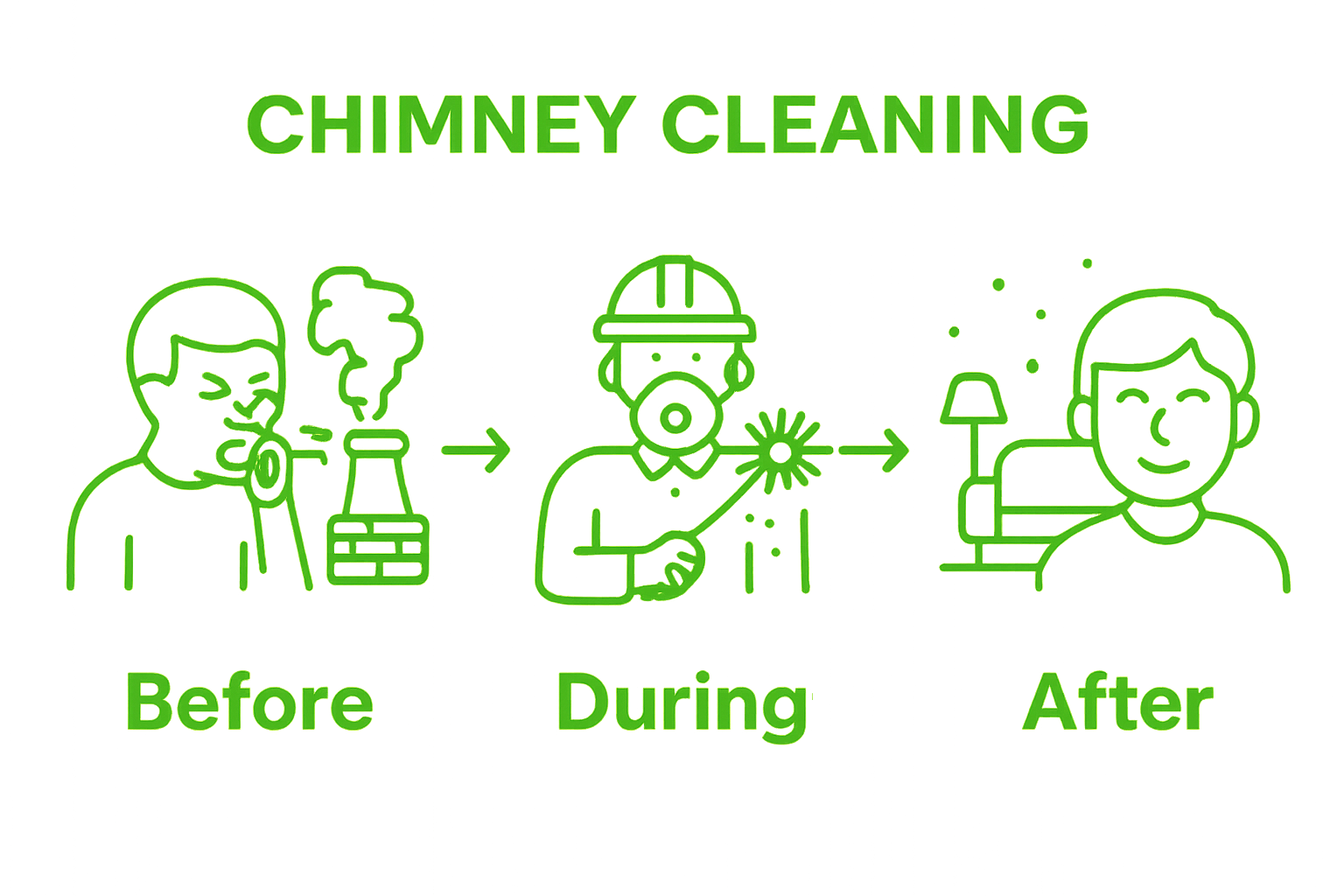
Step 2: Gather Necessary Tools and Protective Gear
Preparing for chimney cleaning requires strategic equipment selection to ensure both safety and effectiveness in your allergy relief mission. Proper tool and gear preparation is not just about cleaning efficiency but also about protecting your respiratory health during the process. This step transforms your chimney maintenance from a potential health risk into a controlled, systematic approach to improving indoor air quality.
Your protective gear arsenal begins with respiratory protection. Select a high-quality NIOSH-approved respirator mask rated for fine particulate filtration, specifically designed to block microscopic dust, soot, and allergen particles. Look for masks with a rating of N95 or higher, which effectively filter out 95% of airborne particles. Complementing your respirator, invest in sturdy safety goggles that create a complete seal around your eyes, preventing irritating particles from causing additional allergic reactions.
Physical protection is equally critical. Choose thick, long-sleeved clothing made from tightly woven materials that prevent dust and debris from penetrating. Heavy-duty work gloves will shield your hands from sharp chimney components and prevent direct contact with accumulated allergens. Consider wearing disposable coveralls for maximum protection, which can be removed and discarded immediately after cleaning to minimize allergen spread throughout your home.
Equipment for chimney cleaning demands precision and thoroughness. Explore our comprehensive guide on professional cleaning techniques to understand the nuanced tools required. Essential tools include extendable chimney brushes matched to your specific flue size, robust extension rods, a robust vacuum with HEPA filtration, drop cloths to protect flooring, and a sturdy ladder for safe access. A bright flashlight will help you inspect hard-to-see areas and ensure no allergen-laden spots are missed.
According to guidelines from the Centers for Disease Control and Prevention, selecting appropriate respiratory protection is crucial when dealing with potential respiratory hazards. Verify your equipment’s condition before starting: check respirator seals, ensure brushes are not worn, and confirm your vacuum’s filtration system is clean and functional. A comprehensive preparation process not only protects your health but sets the stage for a successful chimney cleaning that significantly reduces indoor allergens.
To help you prepare for effective and safe chimney cleaning, here is a table summarizing the recommended tools and protective gear, along with their purpose in the cleaning process.
| Item | Specification/Type | Purpose |
|---|---|---|
| NIOSH-approved respirator | N95 rating or higher | Filters out fine dust, soot, and allergen particles |
| Safety goggles | Full-seal, anti-fog | Protects eyes from airborne particles and irritants |
| Protective clothing | Long-sleeved, tightly woven fabric | Prevents dust and debris from contacting skin |
| Heavy-duty work gloves | Durable, cut-resistant | Protects hands from sharp surfaces and allergens |
| Disposable coveralls | Single-use, full-body | Prevents allergen spread; easy to remove after cleaning |
| Chimney cleaning brush | Extendable, sized to flue | Scrubs and dislodges soot and allergen buildup |
| Extension rods | Adjustable in length | Allows deep reach into chimney |
| HEPA vacuum | Industrial-grade, fine filtration | Captures dust and allergens as they are removed |
| Drop cloths/plastic sheeting | Heavy-duty, tear-resistant | Protects flooring and surrounding areas from debris |
| Sturdy ladder | Height appropriate for chimney | Provides safe access to top of chimney |
| Flashlight | Bright, handheld | Illuminates hard-to-see areas inside chimney |
Step 3: Prepare Your Chimney for Cleaning
Preparing your chimney for a thorough cleaning is a critical step in reducing indoor allergens and ensuring a safe, efficient process. Proper preparation minimizes potential health risks and sets the stage for a comprehensive allergen removal strategy. This step transforms your chimney maintenance from a potentially messy endeavor into a controlled, systematic approach to improving indoor air quality.
Begin by completely clearing the area around your fireplace and creating a protective workspace. Lay down heavy-duty drop cloths or plastic sheeting to capture falling debris and prevent allergen spread across your living space. Seal the fireplace opening completely using plastic sheeting and painter’s tape, creating an airtight barrier that prevents dust and particulate matter from escaping into your home during the cleaning process. Remove any decorative elements, screens, or grates from the fireplace area to ensure unobstructed access and thorough cleaning.
Careful inspection is your next critical task. Use a powerful flashlight to conduct a detailed examination of the chimney interior, looking for signs of significant buildup, structural damage, or potential nesting areas that might harbor additional allergens. Check for visible creosote deposits, which appear as black or brown layers on chimney walls. Pay special attention to corners and hard-to-reach areas where allergens and particulate matter tend to accumulate. Check out our comprehensive guide on chimney inspection techniques to ensure you don’t miss critical details.
Ventilation preparation is equally important. Open windows in the room to create cross-ventilation, which helps manage dust and provides an escape route for airborne particles. If possible, use a portable fan to direct air flow toward an open window, further minimizing allergen concentration in your living space. According to research from the University of Missouri Extension, proper preparation includes ensuring all necessary tools are within reach and the workspace is completely protected before beginning the cleaning process.
Finalize your preparation by double-checking your protective gear, confirming all cleaning tools are accessible, and mentally walking through the cleaning steps. Verify that your respirator creates a tight seal, your gloves are intact, and your work area is completely covered. A methodical approach to chimney preparation not only protects your health but significantly reduces the potential for allergen spread during the cleaning process.
Step 4: Execute the Chimney Cleaning Process Thoroughly
Executing a comprehensive chimney cleaning requires precision, patience, and a systematic approach to effectively reduce indoor allergens and improve air quality. The actual cleaning process is your primary defense against accumulated dust, soot, and potential respiratory irritants that can trigger allergy symptoms. This step transforms your chimney from a potential health hazard into a clean, safe component of your home environment.
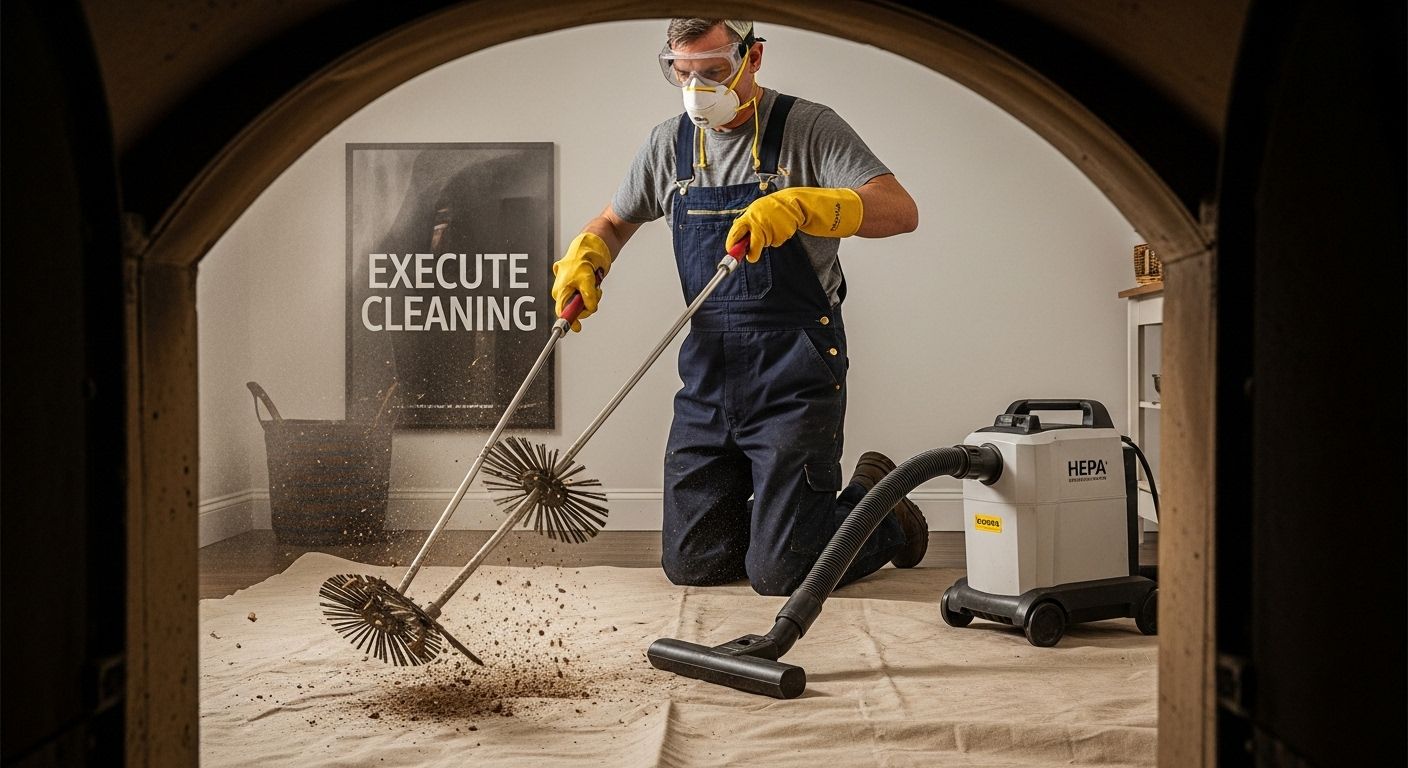
Begin your cleaning process by carefully inserting your chimney brush into the flue, working methodically from the top down. Use extension rods to reach deep into the chimney, applying consistent, firm pressure to dislodge creosote, soot, and trapped allergen particles. Move the brush in a controlled, circular motion to ensure complete coverage of the chimney walls. Pay extra attention to corners and areas where debris tends to accumulate, using multiple passes to guarantee a thorough cleaning. The goal is not just surface cleaning but complete removal of potential allergy-triggering substances.
As you progress, maintain a steady, deliberate pace and monitor the amount of debris falling into your protected fireplace area. Use your industrial-grade HEPA vacuum continuously during the cleaning process, immediately capturing dislodged particles to prevent them from becoming airborne. Explore our detailed guide on advanced chimney cleaning techniques to understand the nuanced approach required for maximum allergen removal. Your vacuum should have multiple attachments to reach different angles and ensure comprehensive dust collection.
Precise inspection remains crucial throughout the cleaning process. Periodically pause and use your flashlight to examine the chimney walls, checking for any remaining buildup or areas requiring additional attention. According to research published in the International Journal of Environmental Research and Public Health, thorough cleaning significantly reduces indoor particulate matter, which is particularly beneficial for individuals with respiratory sensitivities.
Complete your cleaning by making a final pass with the brush and vacuum, ensuring no loose debris remains. Remove the protective coverings carefully, maintaining your respirator and protective gear until the entire area is clean. Conduct a final visual inspection, looking for any missed spots or remaining dust. Success is indicated by clean chimney walls, minimal debris in your collection area, and a noticeable improvement in the overall cleanliness of your fireplace and surrounding space.
Step 5: Verify the Cleanliness and Functionality of the Chimney
Verifying the cleanliness and functionality of your chimney is the critical final step in your allergy relief strategy, transforming your cleaning efforts from a simple maintenance task to a comprehensive health protection measure. This verification process ensures that your thorough cleaning has effectively removed allergen sources and restored your chimney to optimal operating conditions. The goal is not just visual cleanliness but creating an environment that minimizes respiratory irritants and promotes healthier indoor air quality.
Begin your verification by conducting a detailed visual inspection using a powerful flashlight. Carefully examine the entire chimney interior, looking for any remaining dark spots, soot deposits, or areas that might indicate incomplete cleaning. Pay special attention to corners, joints, and hard-to-reach sections where allergens and particulate matter tend to accumulate. Run your gloved hand along the chimney walls to feel for any remaining rough or uneven surfaces that might harbor dust or debris. A completely clean chimney should feel smooth and free of any residual buildup.
Next, perform a comprehensive draft and airflow test to confirm your chimney’s functional integrity. Light a small piece of newspaper and hold it near the damper opening, observing how the smoke travels. Explore our comprehensive guide on chimney functionality testing to understand the nuanced aspects of proper chimney performance. The smoke should draw upward consistently and smoothly, indicating clear airflow with no blockages.
Any hesitation or unusual smoke movement suggests potential issues that might require further investigation or professional assessment.
According to guidelines from the Centers for Disease Control and Prevention, proper chimney verification involves multiple assessment techniques. Use your industrial-grade HEPA vacuum for a final pass, capturing any remaining loose particles. Check the collected debris carefully monitoring its volume and composition. A successful cleaning will result in minimal dust collection and noticeably cleaner particle composition.
Final verification involves a holistic assessment of your living space. Remove your protective gear and conduct a thorough inspection of the surrounding area. Check for any dust migration, unusual odors, or respiratory discomfort. Success is indicated by a clean chimney, clear airflow, minimal collected debris, and most importantly, a noticeable improvement in your indoor air quality and potential reduction in allergy symptoms.
Before you wrap up the process, use this checklist to verify that your chimney is clean and functioning properly. This table provides a quick way to ensure each verification step is completed for better indoor air quality.
| Verification Step | What to Check | Expected Outcome |
|---|---|---|
| Visual inspection | Chimney walls, corners, joints | No visible soot, debris, or dark spots remain |
| Tactile check | Run gloved hand along chimney walls | Walls feel smooth and free of buildup |
| Draft/airflow test | Smoke draws upward when paper is burned by damper | Smoke rises smoothly, indicating clear airflow |
| Final vacuum pass | Run HEPA vacuum throughout chimney and area | Minimal dust and debris collected |
| Area inspection | Check surrounding room for dust or odor | No dust migration or unusual odors present |
| Symptom monitoring | Observe for respiratory discomfort | No new or worsened allergy symptoms in household |
Breathe Easier with Professional Chimney Cleaning and Allergy Relief
Struggling with constant sneezing or itchy eyes when you use your fireplace? The article highlights how hidden dust, soot, and allergens trapped inside your chimney can trigger uncomfortable symptoms and impact your indoor air quality. Even after following each step on your own, lingering particles and hard-to-reach buildup can leave you feeling uncertain about what you are really breathing at home. If you want lasting relief and a truly clean living environment, it is time to let experts help.
Do not let hidden allergens compromise your health. Our Green Home Duct Cleaning team serves San Antonio and Austin, delivering deep-cleaning solutions that go far beyond surface dust. We use advanced, eco-friendly techniques to tackle built-up residue in your chimney and air ducts where ordinary cleaning falls short. Ready to experience real improvement? Contact us today through our trusted service page and let your family enjoy cleaner, healthier air right away.
Frequently Asked Questions
What are the signs that my chimney may be affecting my indoor air quality?
Allergic reactions such as persistent sneezing, nasal congestion, and unexplained headaches can indicate that your chimney may be contributing to poor indoor air quality, especially during or after using your fireplace.
What protective gear do I need for chimney cleaning?
It is essential to wear an N95-rated respirator mask, safety goggles, long-sleeved clothing, heavy-duty gloves, and optionally, disposable coveralls to protect yourself from dust, soot, and allergens during the cleaning process.
How do I prepare my chimney for cleaning?
To prepare your chimney for cleaning, clear the area around your fireplace, seal the fireplace opening with plastic sheeting, and inspect the chimney interior for buildup or damage while ensuring proper ventilation by opening windows.
What should I check after cleaning my chimney?
After cleaning your chimney, conduct a visual inspection for any remaining soot or debris, perform a draft and airflow test by burning a piece of paper near the damper, and ensure that there is no unusual odor or respiratory discomfort in the living space.
Recommended
-
How to Clean Chimney: Easy Guide for Texas Homeowners – Green Home Services
-
Cleaning Vents for Allergies: Guide for Texas Homeowners 2025 – Green Home Services
-
Chimney Cleaning Safety Tips for Texas Homeowners 2025 – Green Home Services
-
Chimney Cleaning Basics for Texas Homeowners 2025 – Green Home Services
-
[
Eco Friendly Cleaning Tips For Busy European Mums– The Zoofamily](https://thezoofamily.com/en/blogs/news/eco-friendly-cleaning-tips-for-european-mums)
-
Gebruik Neusspray bij Allergie: Effectieve Stappen voor 2025 – Mijn Voedsel Intolerantie Test

Green Home Services is a trusted provider of air duct, dryer vent and chimney cleaning across San Antonio and Austin, Texas.